
Automotive Services
Professional mechanic offering reliable repairs for the city of Sugar Land and the greater Houston area. We come to you, hassle free, same day service available 7 days a week.
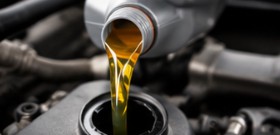
Oil and Filter Change
This is the most frequent service performed. It involves draining old engine oil, replacing the oil filter, and refilling with fresh oil to lubricate engine components and prevent sludge buildup.
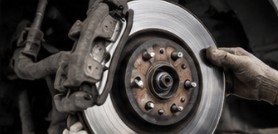
Brake Pad and Rotor Service
Safety-critical service involving the inspection and replacement of worn brake pads and resurfacing or replacing rotors to maintain optimal stopping power.
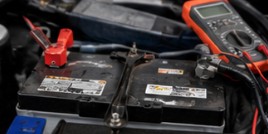
Battery Testing and Replacement
Checking the battery's charge and health, cleaning terminals, and replacing the unit if it fails to hold a charge or shows signs of impending failure.

Check Engine Light Diagnostics
Using specialized scanning tools to retrieve trouble codes from the vehicle's onboard computer (OBD-II) to identify the root cause of performance issues or sensor failures.

Air Filter Replacement (Engine and Cabin)
Replacing the engine air filter to ensure proper combustion and the cabin air filter to maintain air quality inside the vehicle.
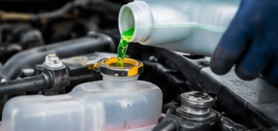
Fluid Flush and Exchange
Periodic replacement of essential fluids, including coolant (antifreeze), brake fluid, power steering fluid, and transmission fluid, to prevent system contamination and corrosion.

Spark Plug Replacement
Part of a "tune-up," replacing worn spark plugs ensures efficient ignition, better fuel economy, and smooth engine performance.
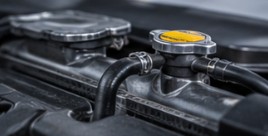
Cooling System Repair
Addressing leaks in the radiator, replacing faulty thermostats, or repairing water pumps to prevent engine overheating.
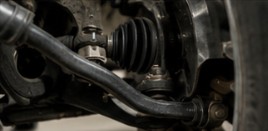
Suspension and Steering Repair
Replacing worn shocks, struts, ball joints, or tie rod ends to maintain ride comfort and precise handling.
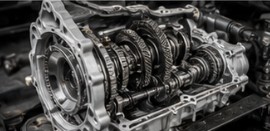
Transmission Service and Repair
Maintenance involving fluid changes or more complex repairs like fixing leaks, replacing solenoids, or rebuilding the transmission system.
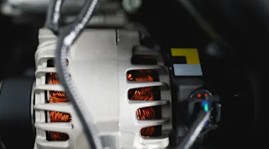
Alternator and Starter Repair
Diagnosing and replacing the alternator (which charges the battery) or the starter motor when the vehicle fails to crank or stay running.

Wiper Blade Replacement
A simple but frequent safety service to ensure clear visibility during rain or snow.
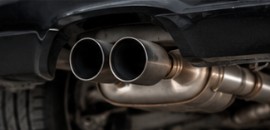
Exhaust System Repair
Fixing leaks, replacing mufflers, or addressing issues with the catalytic converter to ensure the vehicle meets emissions standards and operates quietly.
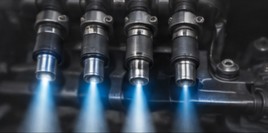
Fuel System Cleaning and Repair
Cleaning fuel injectors or replacing fuel pumps and filters to maintain proper fuel delivery to the engine.

Belt and Hose Replacement
Inspecting and replacing cracked serpentine belts, timing belts, or leaking radiator hoses to prevent sudden breakdowns.
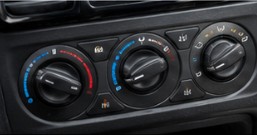
HVAC (Heating and A/C) Service
Recharging refrigerant (AC Pro/Freon), fixing leaks, or repairing blower motors to ensure cabin climate control.

Headlight and Taillight Bulb Replacement
Replace burnt-out bulbs to ensure the vehicle is visible and compliant with safety regulations.

State or Safety Inspections
Many regions require periodic inspections where mechanics verify that the vehicle's safety and emissions systems meet legal standards.

Tire Rotation and Replacement
To ensure even tread wear and extend tire life, we can rotate tires, no alignments. Roadside tire replacement available 7 days a week.
Tune Ups and Vehicle Maintenance
Vehicle tune-ups replace worn parts, check fluids, and scan diagnostics to ensure engine performance, fuel efficiency, and long-term reliability through scheduled maintenance
Precision Diagnostics
Modern vehicles require more than just a wrench. Our mobile mechanic unit is equipped with state-of-the-art OBD2 and manufacturer-specific diagnostic tools to pinpoint electronic and mechanical faults with absolute certainty.
Pinpoint accuracy for complex engine codes
Real-time sensor data analysis
Prevents unnecessary part replacements
Premium OEM Parts
We refuse to install sub-par aftermarket parts that fail prematurely. Every repair utilizes Original Equipment Manufacturer (OEM) or premium-grade equivalents engineered specifically for your vehicle's make and model.
Factory-spec durability and performance
Backed by comprehensive labor and part warranties
Guaranteed perfect fitment every time
Frequently Asked Questions
How often should I get my car serviced?
Every 6 months or 5,000–7,500 miles, whichever comes first. Check your manual—synthetic oil lets you go longer, but stop-and-go driving means you need it sooner. Never go over a year without a fresh oil change, even if you barely drive.
What is included in a standard tune-up?
A standard tune-up usually replaces spark plugs, inspects or swaps the air and fuel filters, and checks the PCV valve. We also inspect the ignition wires, belts, and hoses to catch any hidden wear before it strands you on the highway.
How do I know if my brakes need replacing?
Listen for squealing or grinding, feel for a pulsing brake pedal or steering wheel shake, and notice if the car pulls to one side when stopping. If the pedal feels spongy or your braking distance increases, get those pads checked immediately.
What should I do if my check engine light comes on?
Check if it's solid or flashing. Flashing means pull over immediately to avoid major engine damage. If solid, you would need a diagnostic tool scanner to read the trouble code. Contact a professional for proper diagnostic and don't ignore it, even if the car runs fine.


